Landscape architecture student
About Matthew Bovee

Why landscape architecture
I came to landscape architecture through the outdoors rather than through design. Growing up in Nebraska, I spent a lot of time walking trails, poking around creeks and noticing how different a place felt in August versus January. It took me a while to realize there was a profession built around asking why places feel the way they do, and how they could be better.
What drew me in was the combination. Landscape architecture asks you to understand ecology, water, soil and plants, but also people: how they move, where they sit, what makes a place feel safe or welcoming. It is part science, part craft and part storytelling. A good project has to work as a system and still feel like somewhere you would want to be.
Studying in Lincoln has shaped how I think about that. The city sits in a landscape that was once largely tallgrass prairie, crossed by creeks and shaped by a climate that tests every planting. Those conditions are not obstacles to design; they are the brief.
The best teachers I have found are not books but places.
What I'm learning
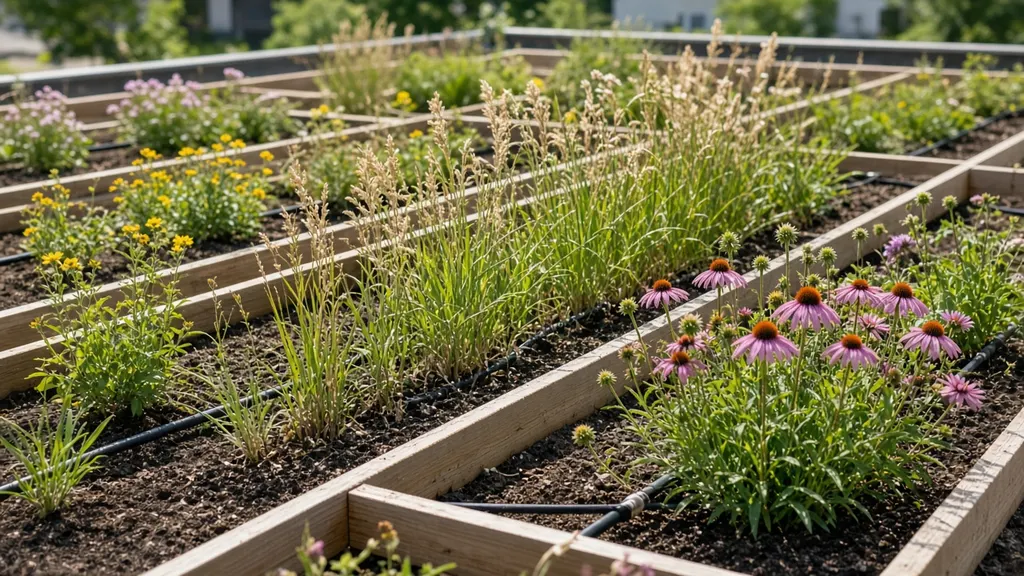
Most of my studio work so far has circled around a few themes. The first is planting design, especially plantings that borrow structure from prairie: a grass matrix, layered forbs, deep roots and full ground cover. I have learned as much from visiting the same plantings across seasons as from any class, and I keep notes and photos to track what thrives and what fades. I wrote about the basics in planting design for Lincoln's climate.
The second theme is water. Stormwater design is where landscape architecture feels most practical to me: a well-placed rain garden or bioswale can slow runoff, clean it and bring plants into places that were only pavement. It also teaches humility, because grading and soils punish wishful thinking. My parking lot retrofit project and the rain gardens article both come from that work.
The third is public space in a cold climate. Lincoln winters last long enough that a plaza designed only for summer is only working part of the year. Sun, wind, snow, light and materials all change the design, and I find those constraints genuinely interesting. The winter plaza case study is my most complete attempt so far.
How I approach a project
I try to start slowly. Before I draw a design line I want to understand the site: how it drains, where the wind comes from, where people already walk, what grows well and what struggles. That analysis becomes a short written statement of the main design challenge, and every idea after that is tested against it. I explain that process in site analysis before you draw.
After that, I work through iterations in the open — trace overlays, rough models, side-by-side options — and I keep them. They are often the most honest record of how a design developed, and they are what I lean on when I present work. I wrote about that in my guide to building a student portfolio.
Areas of focus
- Landscape architecture
- Planting design
- Tallgrass prairie
- Green stormwater infrastructure
- Rain gardens and bioswales
- Urban stream corridors
- Site analysis
- Cold-climate public space
- Lincoln, Nebraska
Along the
Along the way
Early on
Trails, creeks and prairie
Time outdoors in Nebraska turned into curiosity about why some places feel good and others don't.
First studios
Learning to read a site
Early projects taught me to slow down, observe and analyze before designing — usually by getting it wrong first.
Recent studios
Water, planting and winter
Coursework on stormwater retrofits, creek corridors, prairie test plots and a cold-climate plaza.
Now
Writing it down
Turning what I'm learning into long-form articles and case studies, collected on this site.
What I
What I try to bring to every project
- 01
Place first
Design responds to the actual site — its soil, water, climate and people — rather than to a picture from somewhere else.
- 02
Honest process
Show the analysis and iterations, label group work and proposals clearly, and never overstate outcomes.
- 03
Resilience
Favor plantings and systems that handle the hard summer and the long winter, not just the average year.
- 04
Clarity
Diagrams, captions and writing that make the reasoning behind a design easy to follow.
Outside the
Outside the studio
When I'm not working on a project I'm usually outside — walking or biking Lincoln's trails, visiting prairie remnants and restorations in different seasons, or photographing plantings to see how they change. I keep a running notebook of plants I've seen thriving locally, which has become one of my most useful design tools.
I also like talking with other students about how they approach their work. If you are studying landscape architecture, or thinking about it, I'm happy to compare notes — the contact page is the best way to reach me.
I think a lot about who public landscapes are for. A plaza, a trail or a park is shared by people with very different needs: someone walking a dog at dawn, a student cutting across on the way to class, a family on a weekend afternoon, someone using a wheelchair after a snowfall. Designing well means noticing all of them, not just the people in the renderings. Site visits at different times of day have taught me more about that than any brief.
I'm still early in this field, and I expect my interests to keep shifting as I learn. Right now I'm most excited by work where ecology and everyday public life overlap: streets that manage their own stormwater, creek corridors that are both habitat and trail, small public spaces that are worth visiting in every season. Those are the kinds of projects I hope to keep working on.
I'm also committed to writing about what I learn. Explaining an idea clearly is a good test of whether I really understand it, and long-form articles let me go deeper than a studio pin-up allows. If something here is useful to you, or if you think I've got something wrong, I'd genuinely like to hear about it. Conversations like that are a big part of how I keep learning, and they often lead to the next question I want to explore in studio.
7 min
Public space
Designing public space for Nebraska wintersHow to design plazas, streets and small parks in Lincoln that stay useful and attractive from November to March: sun, wind shelter, snow storage, materials, lighting, planting and programming for cold months.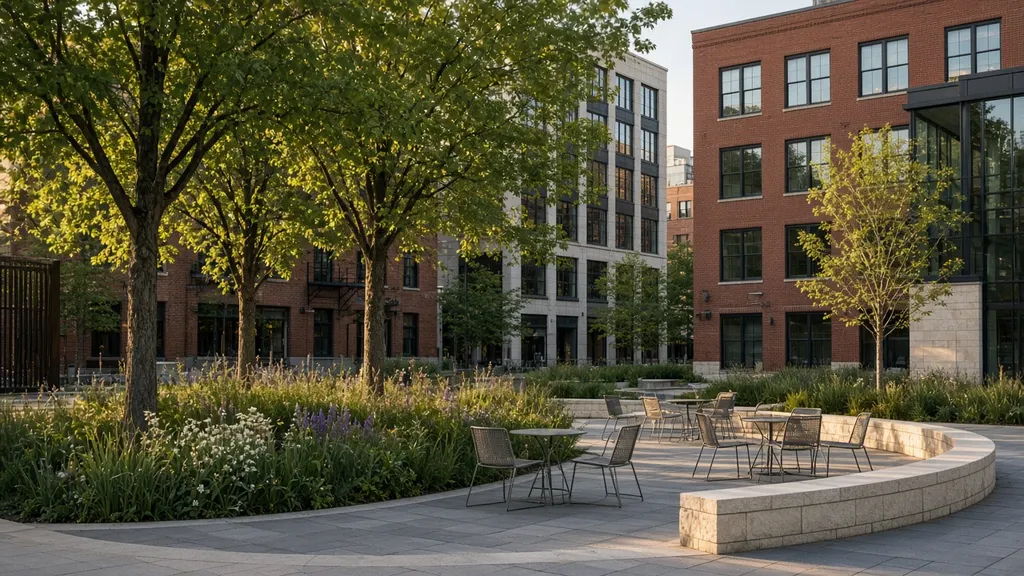
7 min
For students
Site analysis before you draw: how to read a site in LincolnA step-by-step approach to site analysis for landscape architecture students: what to observe, how to document sun, wind, water, soils, circulation and use, and how to turn notes into diagrams that shape a design.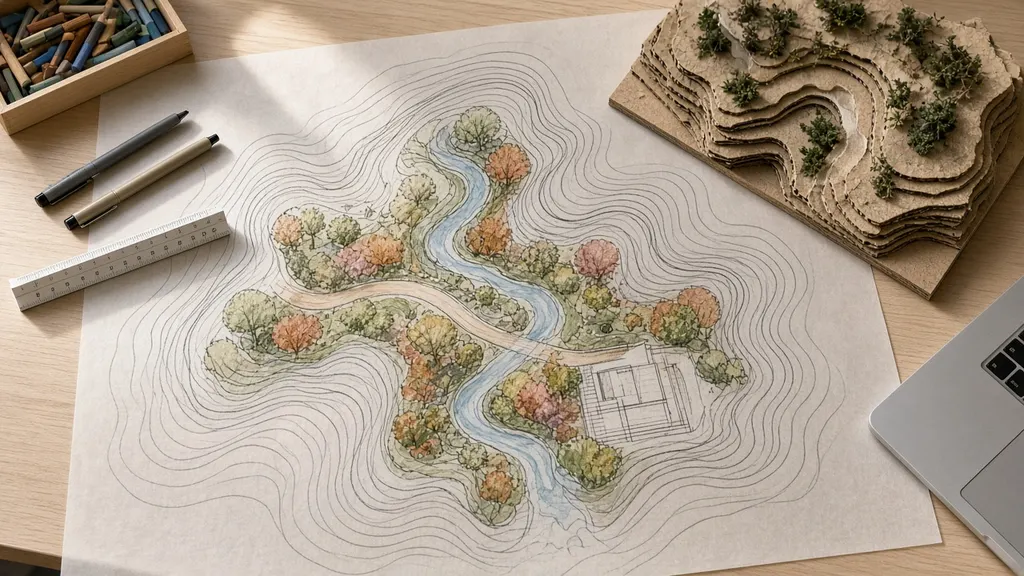
7 min
For students
How to build a landscape architecture student portfolio that shows how you thinkA practical guide for landscape architecture students: choosing projects, structuring case studies, showing process as well as finished drawings, writing captions, and keeping a portfolio honest and easy to read.
See the work
Case studies from studio coursework: the site, the questions, the process and what changed along the way.