7 articles
Writing by Matthew Bovee
Long-form articles rooted in Lincoln, Nebraska: what I'm learning, explained as clearly as I can.
Latest · Public space
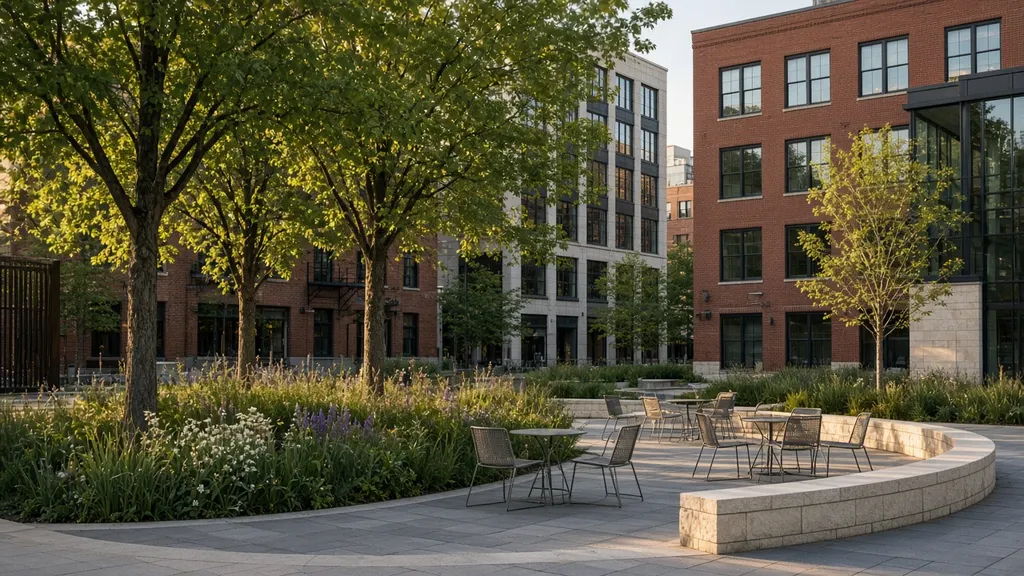
Designing public space for Nebraska wintersHow to design plazas, streets and small parks in Lincoln that stay useful and attractive from November to March: sun, wind shelter, snow storage, materials, lighting, planting and programming for cold months.7 min
For students
Site analysis before you draw: how to read a site in LincolnA step-by-step approach to site analysis for landscape architecture students: what to observe, how to document sun, wind, water, soils, circulation and use, and how to turn notes into diagrams that shape a design.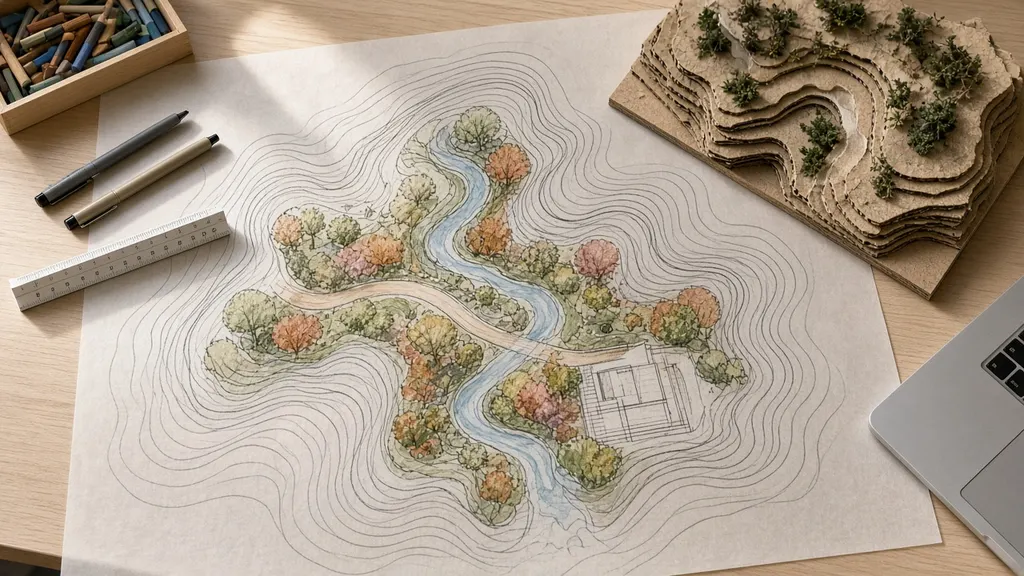
7 min
For students
How to build a landscape architecture student portfolio that shows how you thinkA practical guide for landscape architecture students: choosing projects, structuring case studies, showing process as well as finished drawings, writing captions, and keeping a portfolio honest and easy to read.7 min
Urban streams
Designing trails and edges along Lincoln's creeksHow landscape architects approach urban stream corridors in Lincoln: floodplains, stable banks, riparian planting, trail alignment, access to water and the long view of a creek as a shared public space.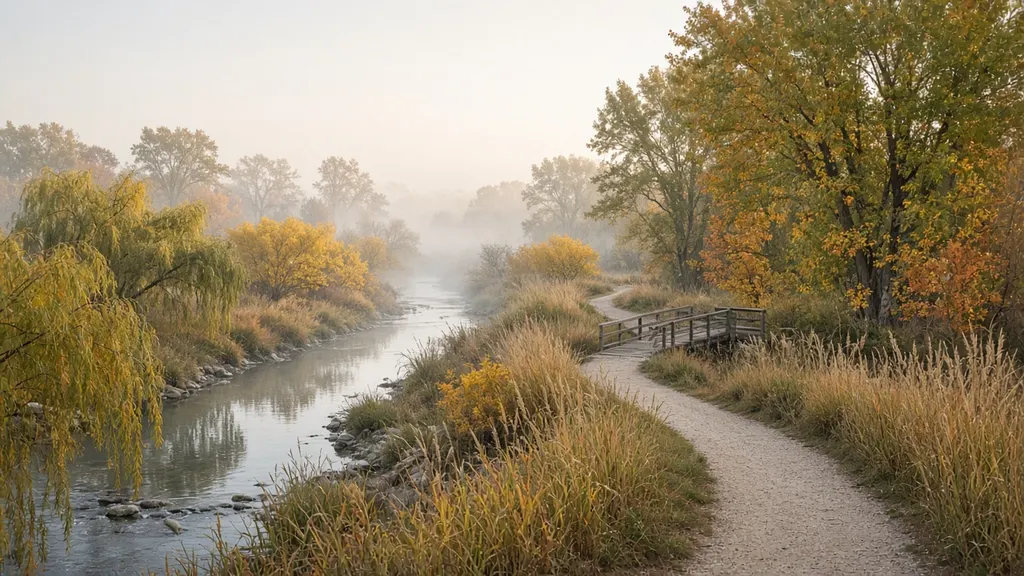
7 min
Plants & climate
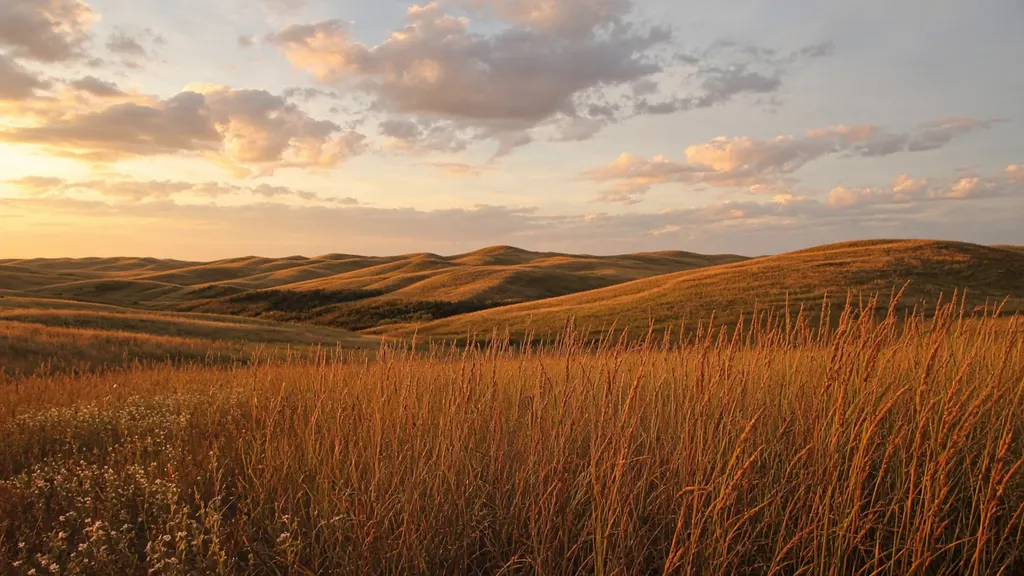
Tallgrass prairie as a design reference: what Nebraska's native landscapes teach designersHow the structure of tallgrass prairie — layers, matrix grasses, seasonal succession and deep roots — translates into planting design for campuses, parks and streets in eastern Nebraska.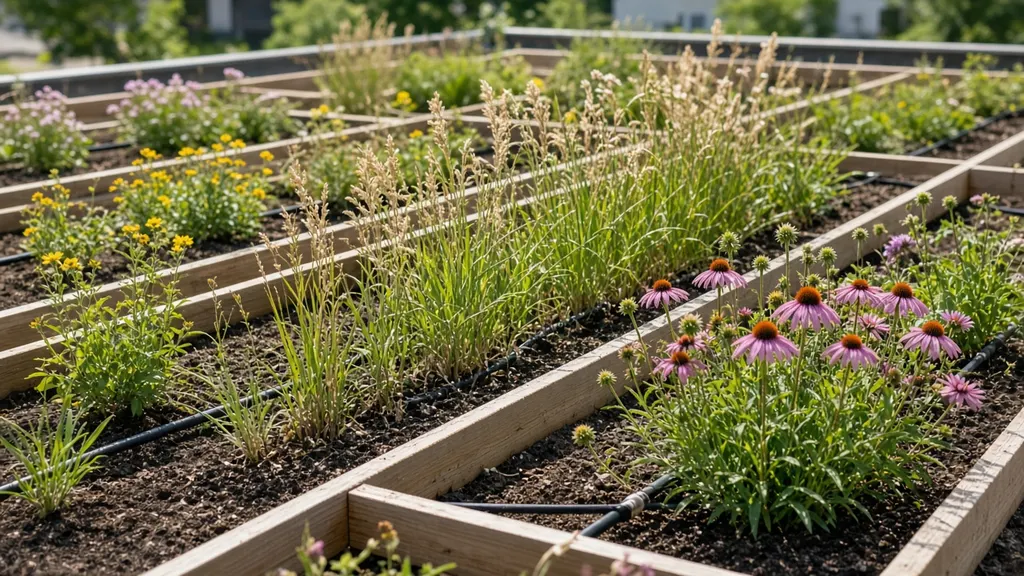
8 min
Stormwater
Rain gardens and bioswales in Lincoln: how stormwater design actually worksWhat rain gardens and bioswales do, how to size and place them on heavy Nebraska soils, which plants handle both flooding and drought, and the design mistakes students (including me) make most often.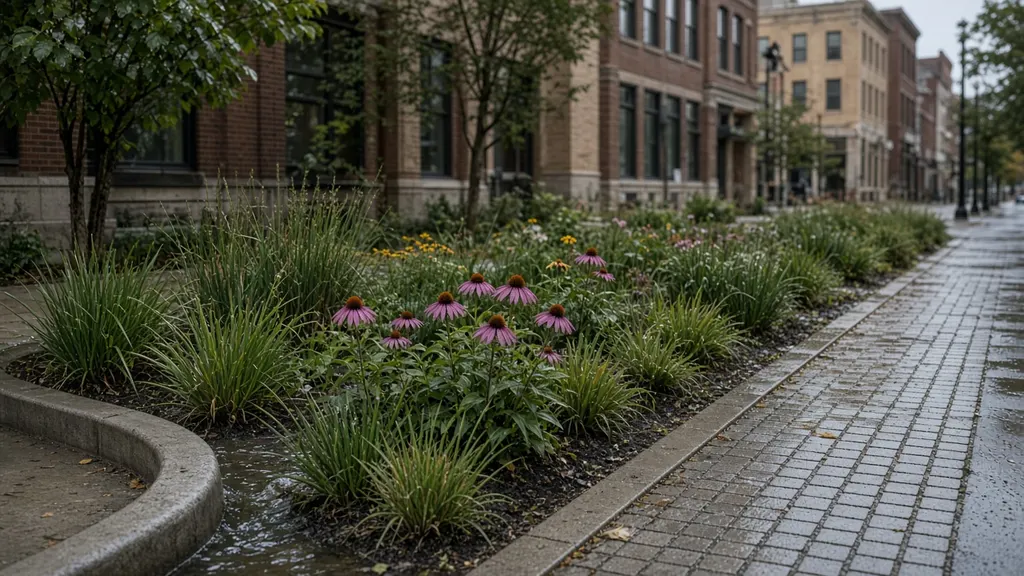
9 min
Plants & climate
Planting design for Lincoln's climate: heat, wind, cold and clayA student's working guide to designing plantings that survive eastern Nebraska — reading hardiness and heat, planning for wind and freeze-thaw, working with heavy soils and choosing plants by community rather than by catalog photo.